Signs Your Roof Needs New Roof Capping
If you notice signs your roof needs new roof capping, local contractors can assess and install the proper capping to protect your home effectively.
Property owners in the area often find it helpful to understand the common signs that indicate a roof may need new roof capping. Recognizing issues early can prevent more extensive damage and protect the integrity of the building. Whether noticing visible damage, such as cracked or missing caps, or experiencing leaks and drafts, these are practical reasons to explore professional roof capping services. Local contractors who specialize in roof capping can assess the situation accurately and recommend the best course of action to maintain the roof’s effectiveness and appearance.
Keeping an eye out for specific indicators can save property owners time and money down the line. Deterioration of existing roof capping, increased energy costs, or signs of water intrusion are all clues that a roof may benefit from new capping. By understanding these signs, homeowners and business owners can make informed decisions and connect with experienced service providers capable of addressing these issues efficiently. Staying proactive about roof maintenance ensures the property remains protected and maintains its value over time.
- Roof capping replacement - needed when signs your roof needs new roof capping include cracked or deteriorated materials that compromise weather resistance, and local contractors typically assess the damage and replace the capping to restore protection.
- Roof capping repair - required if signs your roof needs new roof capping involve loose or shifted capping pieces that can lead to leaks, with local service providers carefully fixing or replacing damaged sections.
- Roof capping installation - necessary when signs your roof needs new roof capping include missing or outdated capping that no longer provides adequate coverage, and local pros install new capping to ensure a secure seal.
- Sealant application for roof capping - appropriate if signs your roof needs new roof capping show gaps or cracks in existing capping, with local contractors applying sealants to prolong the life of the current capping or prepare for replacement.
- Roof capping inspection - recommended when signs your roof needs new roof capping are visible damage or wear, with local experts conducting thorough inspections to determine if capping replacement is needed.
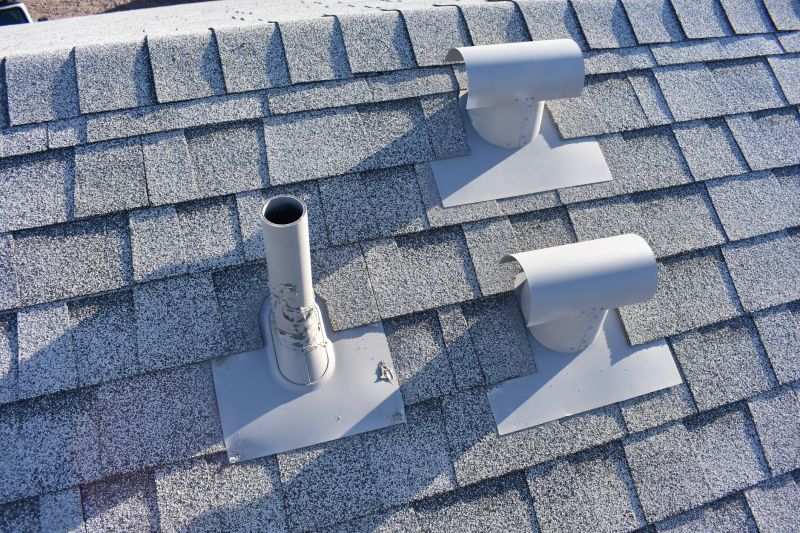
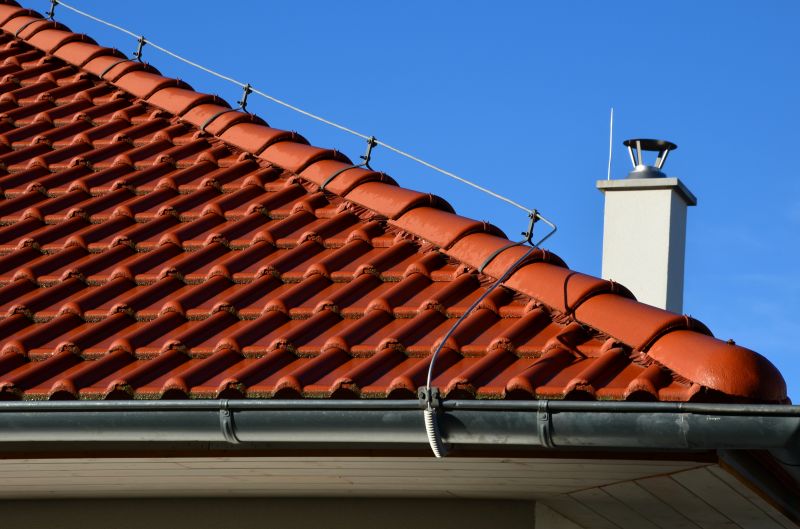
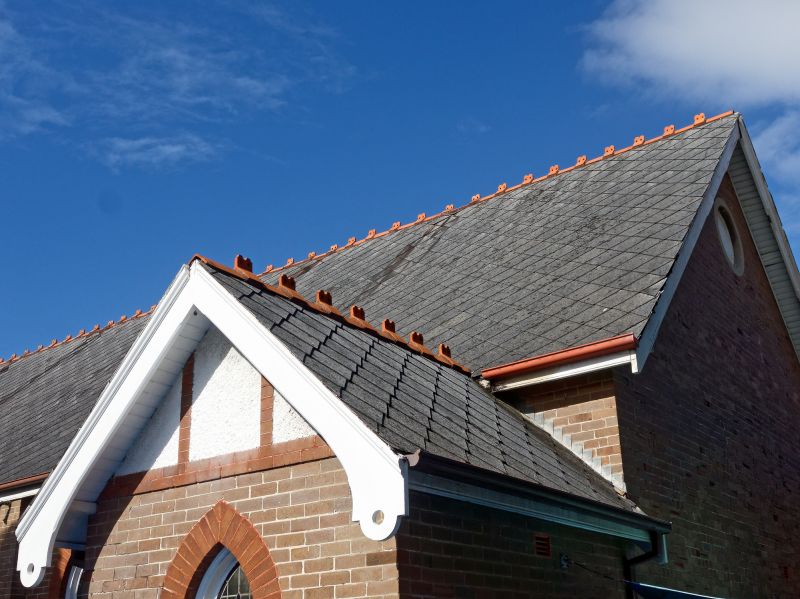
When homeowners search for signs their roof needs new roof capping, they are usually trying to identify early indicators of roof deterioration or damage that could compromise the roof’s integrity. Roof capping, which involves replacing or repairing the topmost layer of roofing material, is a common step in maintaining or restoring a roof’s protective function. People often look for visible clues that suggest the existing capping is failing, such as cracked, loose, or missing tiles or shingles, which can lead to leaks or further structural issues. Understanding these signs helps homeowners decide whether professional roof capping services are needed to prevent more costly repairs down the line.
This topic is closely related to ongoing maintenance, repair projects, or complete roof replacements. Signs your roof needs new roof capping are often linked to problems like water leaks inside the home, increased energy bills due to poor insulation, or visible damage after severe weather events. Homeowners may also be planning to upgrade their roof’s appearance or improve its durability, especially if the existing capping has become aged or weathered. Recognizing these issues early allows for timely intervention by local contractors who specialize in roof capping, helping to extend the lifespan of the roof and protect the property.
The types of properties that typically come up when discussing signs your roof needs new roof capping include residential homes, especially those with older or traditional roofing materials. Detached houses, townhomes, and multi-family dwellings are all common candidates for roof capping projects. Commercial properties and small apartment buildings may also require roof capping services when their roofing systems show signs of wear or damage. Regardless of property type, the focus remains on identifying visible or structural issues that indicate the existing capping is no longer providing adequate protection, prompting property owners to seek professional assistance.
Understanding the connection between these signs and the work of local roof capping service providers is essential for homeowners. When signs of damage or deterioration appear, experienced contractors can evaluate the roof’s condition and recommend appropriate repairs or replacements. Local pros bring the expertise needed to properly install new roof capping, ensuring it fits securely and functions effectively to prevent leaks and other issues. Connecting with these service providers early helps property owners address problems before they escalate, ultimately safeguarding the property’s value and structural integrity.
Roof repair projects - addressing minor damage and deterioration in roofing components often involves similar skills and tools as installing or replacing roof capping to ensure proper protection and sealing.
Gutter and flashing installation - proper sealing and integration with roof capping are essential to prevent leaks and water damage, making these projects related in planning and execution.
Roof inspection services - identifying signs your roof needs new roof capping requires thorough assessments, which are performed by local contractors experienced in roof evaluations.
Ventilation system upgrades - ensuring proper airflow can involve work on roof edges and caps, requiring similar planning and materials as roof capping projects.
Chimney flashing repairs - sealing and protecting chimney areas involve techniques comparable to roof capping, especially in preventing water intrusion at vulnerable points.
Skylight installation or repair - working around openings in the roof involves skills in sealing and finishing that are also needed for effective roof capping to prevent leaks.
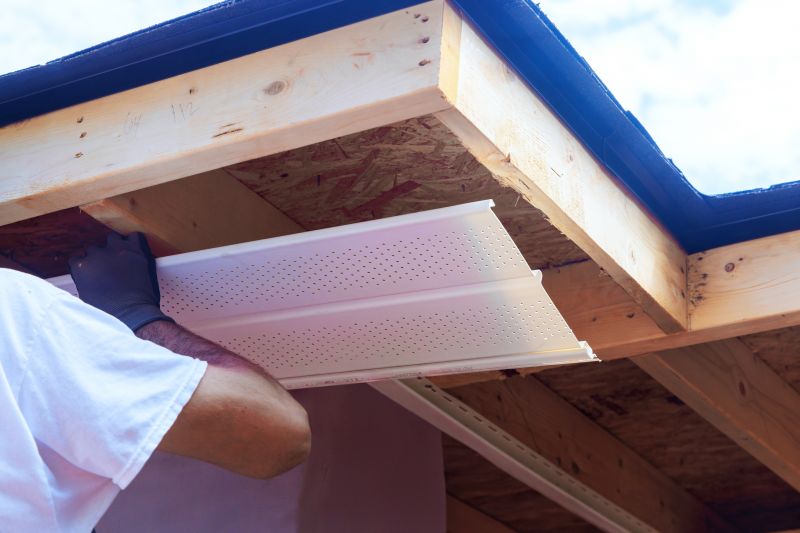
When evaluating service providers for roof capping, it’s important to consider their experience with similar projects. Homeowners should inquire about how many times the contractor has handled roof capping jobs, especially those related to addressing signs your roof needs new roof capping. Contractors with a proven track record in this specific area are more likely to understand the nuances involved and deliver results that meet expectations. Additionally, asking for reputable references or examples of past work can provide insight into the quality of their craftsmanship and reliability, helping homeowners feel more confident in their decision.
Clear and detailed written expectations are essential when comparing local contractors for roof capping services. Homeowners should seek proposals that outline the scope of work, materials to be used, and the estimated process involved. This transparency helps prevent misunderstandings and ensures that everyone is aligned on what the project entails. Contractors who communicate openly and provide thorough documentation demonstrate professionalism and a commitment to customer satisfaction, making it easier for homeowners to assess which service providers are best equipped to handle their needs.
Good communication is a key factor when selecting a contractor for roof capping. Service providers who listen carefully to concerns about signs your roof needs new roof capping and respond with clear explanations are more likely to foster a positive working relationship. Ongoing communication throughout the project can also help address questions or issues promptly, reducing potential frustrations. Ultimately, choosing a local contractor known for responsiveness and transparency can make the process of updating roof capping smoother and more predictable, leading to a better overall experience.
Property owners often search for signs your roof needs new roof capping when they are planning practical projects around their homes and businesses. Local pros provide Roof Capping services for everyday jobs and straightforward project options.
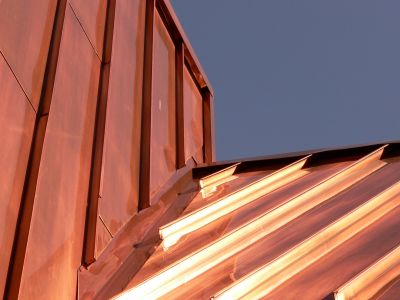
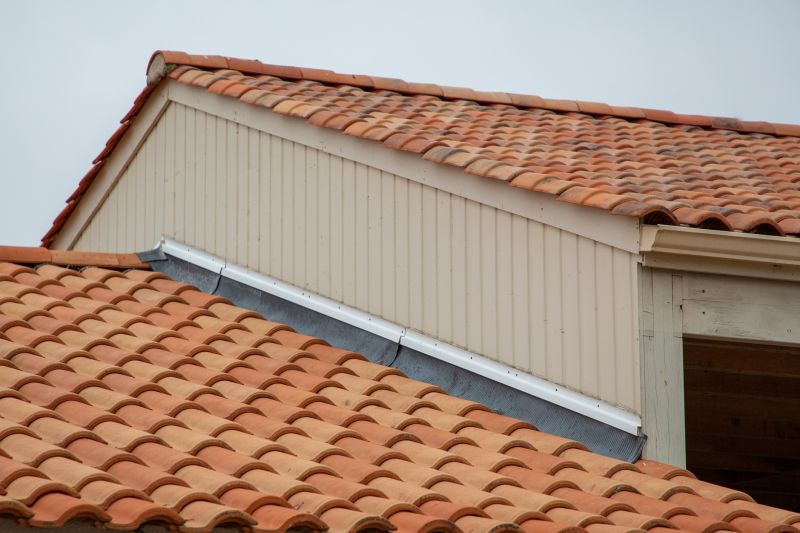
Property owners noticing cracked, chipped, or missing roof capping often consider the need for new roof capping services. These visible signs can indicate that the existing cap has deteriorated over time, making the roof vulnerable to leaks and water damage. Additionally, if there are areas where the roof capping appears warped or uneven, it may be a sign that repairs are no longer sufficient, and replacement could be necessary to maintain the roof’s integrity.
Other common indications include the presence of moss, mold, or algae growth along the roof edges, which can suggest moisture infiltration due to compromised capping. In cases where flashing around chimneys, vents, or skylights is loose or damaged, local contractors can assess whether new roof capping is needed to ensure these vulnerable points are properly sealed. Recognizing these signs early can help property owners connect with service providers who specialize in roof capping, helping to preserve the roof’s durability and protect the structure.
What are common signs that a roof may need new roof capping? Visible damage like cracked, missing, or curling capping tiles can indicate the need for replacement. Additionally, signs such as water leaks or stains on ceilings may suggest compromised roof capping that requires attention from local contractors.
How can I tell if roof capping is deteriorating? Deterioration often shows as loose or displaced capping, moss or algae buildup, or areas where the capping appears to be lifting or cracking, which can be assessed by local roofing service providers during an inspection.
What issues arise from damaged roof capping? Damaged capping can lead to water infiltration, increased risk of leaks, and further damage to underlying roofing materials. Local pros can evaluate these issues and recommend necessary repairs or replacements.
Are there specific weather conditions that cause roof capping to fail? Exposure to heavy rain, wind, or temperature fluctuations can accelerate wear and lead to damage in roof capping, making regular inspections by local contractors important for early detection.
When should I consider replacing my roof capping? Replacement may be needed if capping shows significant cracking, displacement, or extensive damage that cannot be repaired. Consulting with local roof capping specialists can help determine the appropriate course of action.
Visible damage or deterioration - noticing cracked, curled, or missing roof capping can indicate the need for replacement, encouraging property owners to seek professional inspection and repair services.
Leaks or water stains - water intrusion around the roof area suggests compromised capping, prompting property owners to consider scheduling repairs with experienced service providers.
Seasonal or weather-related wear - after storms or harsh weather, checking for damage to roof capping can help property owners determine if replacement is necessary to maintain protection.
Age of the roof - when roof capping reaches the end of its lifespan, property owners can plan for replacement with local contractors to ensure ongoing roof integrity.
If you are thinking about signs your roof needs new roof capping for a property, this guide is meant to help you understand this topic, the typical project types, and how different options might fit your plans.
When you are ready, you can use the quote form on this page to share a few details about your project. From there, local pros can review the basics and follow up with options that match what you have in mind.