Types of Roof Flashing and Where Each Is Used
Finding the right types of roof flashing and their uses helps protect your roof, and local contractors can expertly install the best options for your needs.
Understanding the different types of roof flashing and where each is used is a practical step for property owners looking to protect their investments. Proper flashing installation helps prevent leaks and water damage, especially in areas prone to heavy rain or snow. Whether you're considering repairs or planning a new roof, knowing which flashing materials and styles are suitable for specific parts of a structure can make a significant difference in durability and performance. Local contractors specializing in roof flashing can assess your property’s unique needs and recommend solutions tailored to your climate and roof design, ensuring your home remains protected for years to come.
Exploring the various types of roof flashing and their applications can also provide peace of mind when working with local service providers. These professionals understand how different flashing materials-such as metal, rubber, or plastic-are best used around chimneys, valleys, vents, and roof edges. By choosing the right flashing for each area, property owners can help extend the lifespan of their roof and avoid costly repairs down the line. For those interested in maintaining or upgrading their roofing system, connecting with experienced local contractors can offer valuable insights and quality workmanship tailored to the specific demands of the local environment.
- Step flashing - often needed around chimneys and walls, local contractors ensure proper installation to prevent leaks and water intrusion.
- Continuous flashing - used along roof edges and valleys, local service providers install seamless metal strips to protect vulnerable areas.
- Drip edge flashing - installed at the eaves to direct water away from the roof structure, local pros focus on proper alignment for effective drainage.
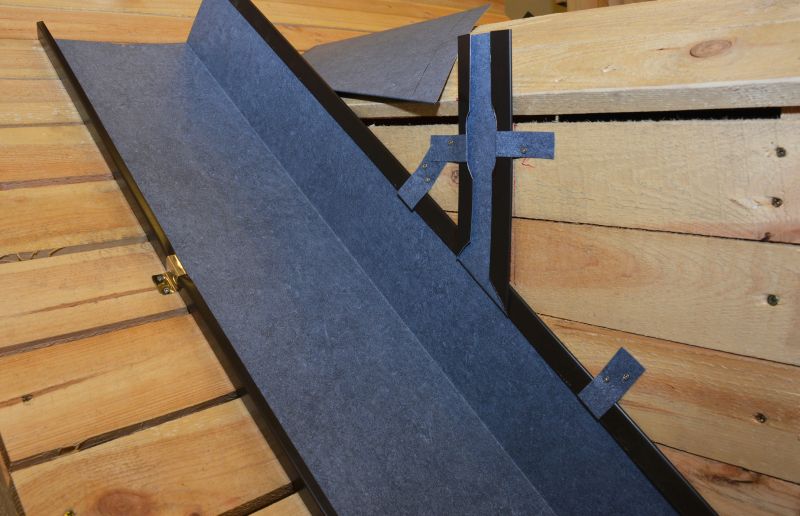
- Valley flashing - necessary in roof valleys where two slopes meet, local contractors carefully shape and secure it to prevent water pooling.
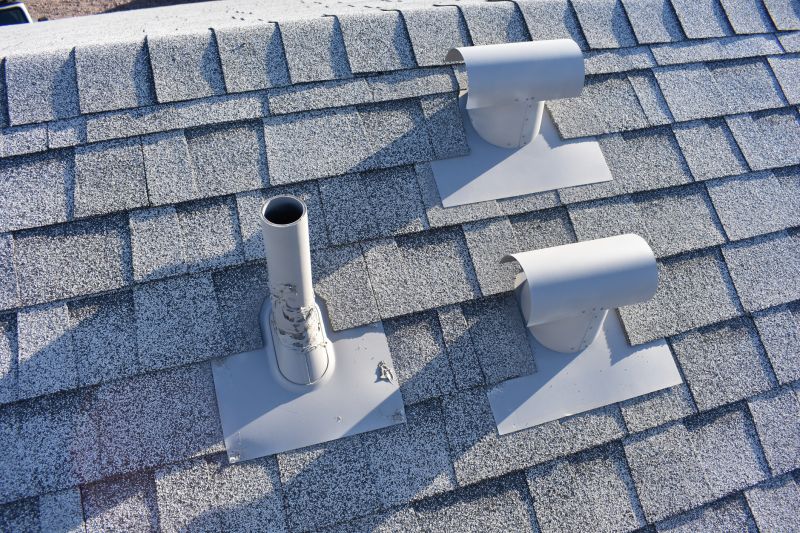
- Vent flashing - used around roof vents and pipes, local professionals ensure a tight seal to keep out moisture and debris.


When homeowners search for information about types of roof flashing and where each is used, they are often trying to understand how to protect their property from leaks and water damage. Roof flashing is a critical component that helps direct water away from vulnerable areas such as joints, valleys, and roof penetrations. Problems related to improper flashing installation or choosing the wrong type can lead to leaks, mold, and structural issues over time. Homeowners planning roof replacements or repairs, or those experiencing water intrusion during storms, frequently look into this topic to ensure they select the right materials and understand their purpose within the overall roofing system.
Different types of roof flashing serve specific functions depending on their location and the design of the roof. Common types include step flashing, continuous or apron flashing, valley flashing, and pipe or vent flashing. Step flashing is typically used along walls or chimneys where the roof meets vertical surfaces, providing a layered barrier against water intrusion. Continuous flashing runs along the eaves or ridges and offers a seamless line of defense in areas prone to water runoff. Valley flashing is installed in roof valleys where two slopes intersect, directing water efficiently down to the gutters. Pipe or vent flashing surrounds roof penetrations like vents, chimneys, and exhaust pipes, sealing these openings against weather elements. Understanding where each type is used helps homeowners recognize how these components work together to protect the home.
The choice of roof flashing often depends on the type of property, roof style, and climate conditions. Residential homes with pitched roofs commonly feature step and valley flashing, while flat or low-slope roofs may require different flashing solutions designed to accommodate their unique drainage patterns. Commercial buildings or properties with complex roof geometries might incorporate more specialized flashing types to handle multiple penetrations and transitions. For homeowners, recognizing the specific needs of their property can help in selecting appropriate flashing components. Local contractors who specialize in roof installation and repairs can assess these needs and recommend the most suitable flashing types to ensure long-lasting protection.
Since proper installation is essential for effective flashing, many property owners seek the expertise of local service providers experienced in roof flashing services. These professionals can evaluate the existing roof system, identify areas vulnerable to leaks, and install or replace flashing with the right materials and techniques. Connecting with local contractors ensures that the flashing is correctly integrated into the roof’s overall design, helping prevent future issues. Whether it’s a new construction project, a roof repair, or an upgrade to existing flashing, knowledgeable local pros can provide guidance on the best types of roof flashing and ensure they are installed properly to safeguard the property.
Roof repair projects - tasks that involve replacing or sealing roofing components often require understanding of flashing types to prevent leaks and water damage.
Gutter installation and maintenance - installing or repairing gutters involves planning for proper flashing to ensure water flows correctly away from the roof structure.
Chimney and vent flashing installation - these projects demand precise application of flashing to create watertight seals around protrusions on the roof.
Skylight and roof window installation - ensuring proper flashing is essential for preventing leaks where openings are cut into the roof surface.
Roof replacement and reroofing projects - replacing old roofing often involves selecting and installing appropriate flashing types to match new materials and prevent future issues.
Siding and exterior wall flashing - work on building exteriors requires similar planning and skills in flashing to protect walls from water infiltration.
When comparing service providers for roof flashing projects, it is important to consider their experience with similar types of projects. Contractors who have handled a variety of flashing installations and repairs are more likely to understand the specific requirements for different types of roof flashing and where each is used. An experienced local contractor can provide insights into the best materials and techniques for your roof’s unique design, ensuring the flashing functions properly to prevent leaks and water damage. Asking about past work that closely resembles your project can help gauge whether a contractor has the relevant expertise needed for your specific needs.
Clear written expectations are essential when evaluating potential service providers. A reputable local contractor should be able to describe the scope of work, the materials they plan to use, and the installation process in understandable terms. This clarity helps avoid misunderstandings and ensures that both parties are aligned on what will be done. When reviewing proposals, look for detailed descriptions that specify the types of roof flashing to be used and where each will be installed, so you can compare offerings effectively and choose a provider that meets your expectations.
Good communication and reputable references are key indicators of a reliable contractor. Service providers who are responsive to questions and willing to share references from previous clients demonstrate transparency and professionalism. Speaking with past customers about their experiences can provide valuable insights into the contractor’s workmanship, reliability, and ability to complete projects on time. Consistent, clear communication throughout the process helps ensure that any concerns are addressed promptly and that the project progresses smoothly, ultimately leading to a better outcome for your roof flashing needs.
Property owners often search for types of roof flashing and where each is used when they are planning practical projects around their homes and businesses. Local pros provide Roof Flashing services for everyday jobs and straightforward project options.


Understanding the different types of roof flashing and where each is used can help property owners identify potential issues and know when to seek professional assistance. Common types include step flashing, used along the sides of chimneys and walls to direct water away from joints; continuous or apron flashing, which is typically installed at roof-to-wall intersections to provide a seamless barrier; and valley flashing, designed to protect roof valleys where two slopes meet. Each type plays a crucial role in preventing leaks and water damage, making it important to choose the right kind for specific areas of a roof.
Property owners in the area often look into roof flashing options when undertaking repairs or new installations, especially around features like skylights, vents, or chimneys. Local contractors who specialize in roof flashing can assess the unique needs of a roof and recommend the appropriate materials and installation techniques. Properly installed flashing not only enhances the roof’s durability but also helps avoid costly water issues down the line, making it a key component of effective roof maintenance and protection.
What are the common types of roof flashing used in residential buildings? Common types include step flashing, continuous (or apron) flashing, and valley flashing, each designed for specific roof features and weather protection needs. Local contractors can recommend and install the appropriate type based on your roof’s design.
Where is step flashing typically used on a roof? Step flashing is usually installed along the sides of chimneys, walls, or where a roof meets a vertical surface to prevent water intrusion at joints and intersections. Local pros can ensure proper installation for effective protection.
What is continuous flashing, and when is it used? Continuous flashing, also known as apron flashing, is a long, single piece of metal installed at roof edges and eaves to direct water away from the roof structure. Local service providers can install it to improve roof waterproofing.
How does valley flashing differ from other types? Valley flashing is specifically designed for roof valleys where two roof slopes meet, helping channel water efficiently. Local contractors can customize valley flashing to fit your roof’s configuration.
Can different types of roof flashing be combined on a single roof? Yes, different types of roof flashing are often used together to address various areas and features of a roof, with local pros ensuring seamless integration for optimal water resistance.
Step flashing installation - property owners can plan to have step flashing installed around chimneys and dormers to ensure proper water runoff and prevent leaks with the help of local contractors.
Continuous flashing applications - using continuous flashing along roof edges and valleys can improve weather resistance, and local pros can help with precise placement for durability.
Valley flashing choices - selecting the right valley flashing material can protect roof intersections, with local service providers offering expert installation tailored to the roof design.
Vent and pipe flashing - ensuring proper sealing around vents and pipes with the appropriate flashing types can prevent water intrusion, and local contractors can handle these detailed tasks effectively.
If you are thinking about types of roof flashing and where each is used for a property, this guide is meant to help you understand this topic, the typical project types, and how different options might fit your plans.
When you are ready, you can use the quote form on this page to share a few details about your project. From there, local pros can review the basics and follow up with options that match what you have in mind.